
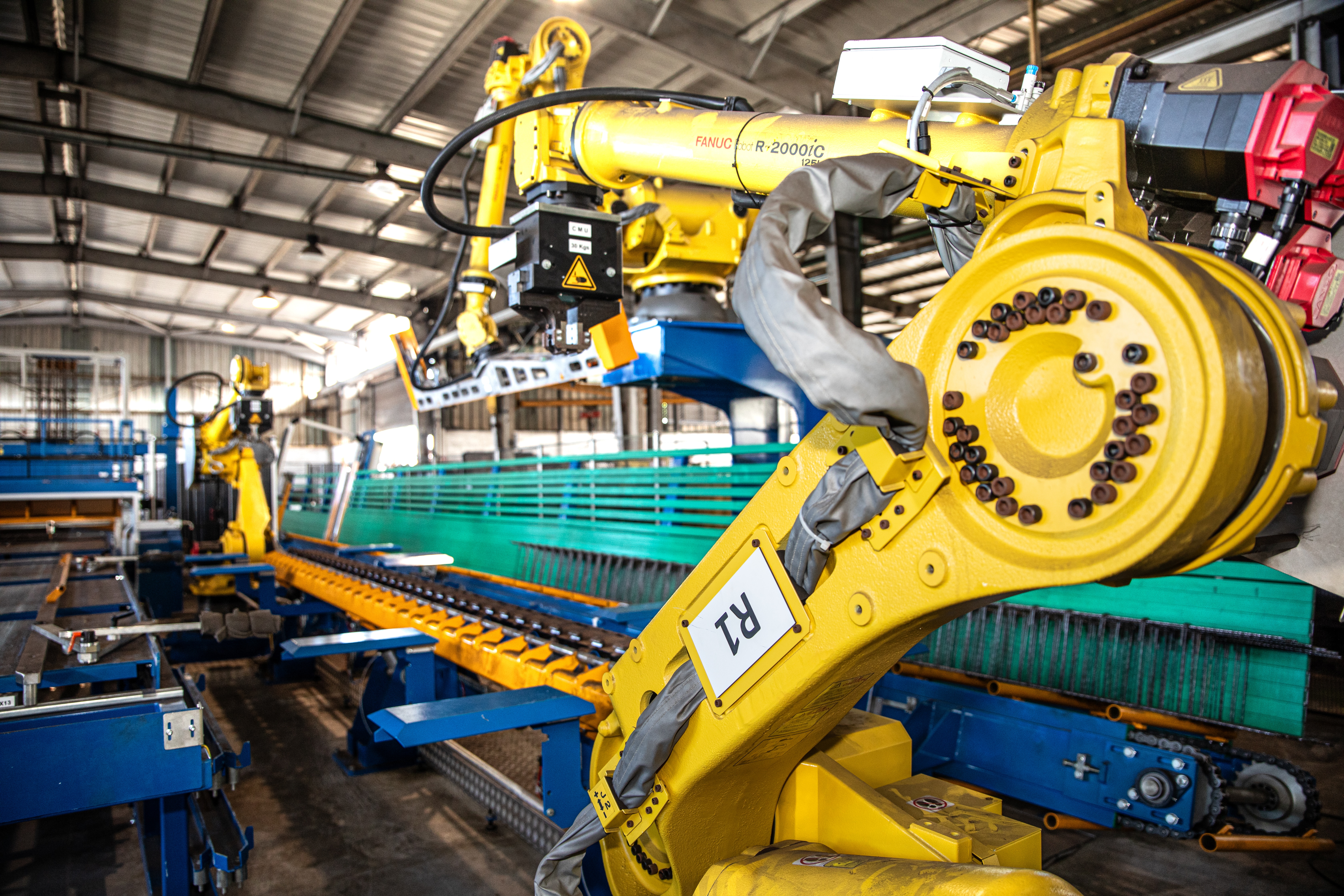
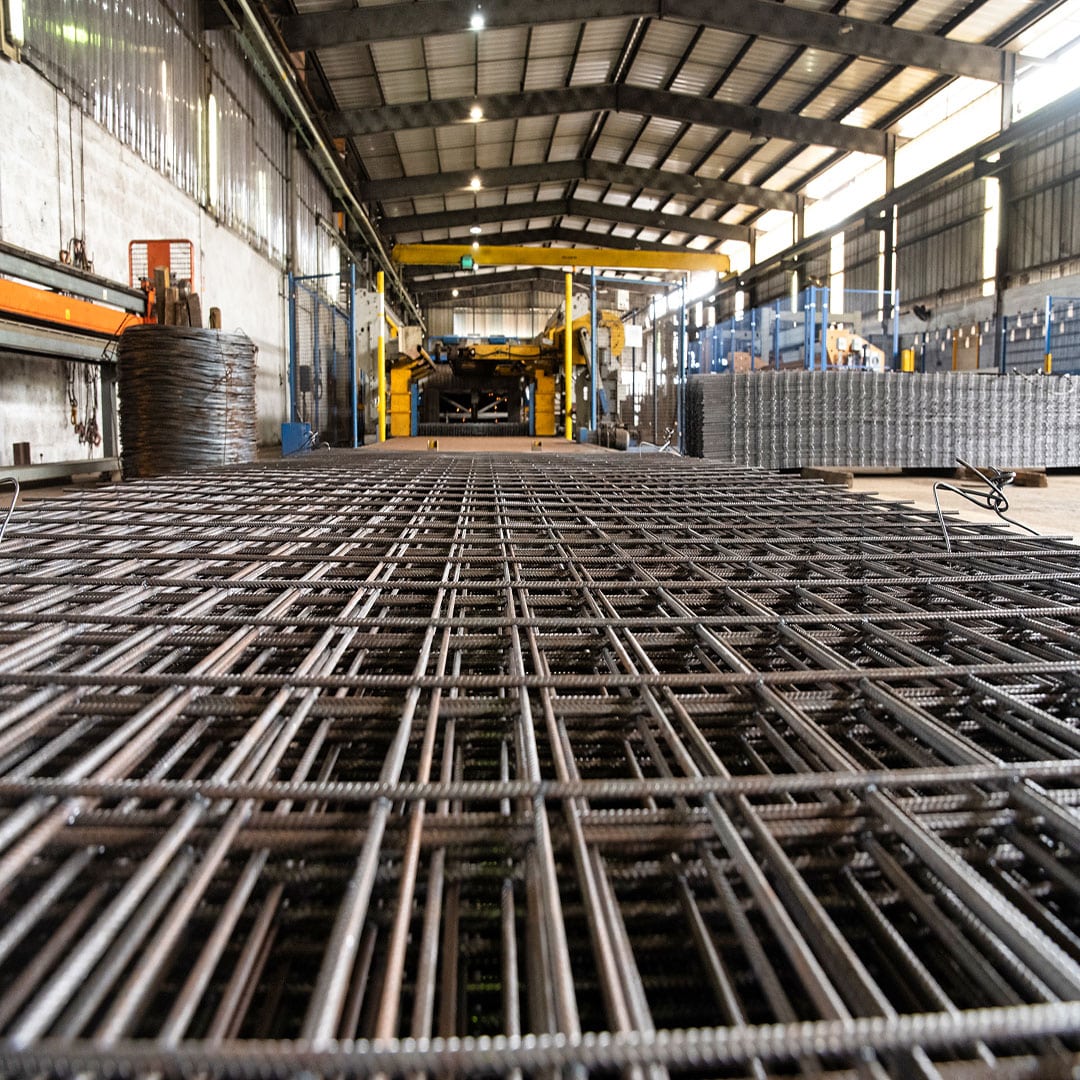
The core of ACOMA‘s activity, founded in 1979 in Martinique (350 employees, 12 subsidiaries, presence in 6 territories), is the transformation of steel and the construction of standard and custom metal structures. The group practices cold rolling, reinforcement welding, sheet production, and everything involved in building construction. The dozen technicians spread across the group’s 12 entities manage a wide range of heterogeneous assets (benders, roll formers, welders, straighteners, etc.). The DimoMaint CMMS has been implemented in stages within the group since 2021, particularly to develop preventive maintenance, reduce maintenance costs, and especially to harmonize the referencing system for the stores. It is in this context that François GROS-DESORMEAUX, Group Maintenance Manager since spring 2024, raises awareness among his teams about best practices.
Unifying the practices of an expanding group
A steering committee was set up in 2021 to benchmark various tools to meet an organizational need, ultimately selecting MX and initiating the migration of the database from the old tool. At the time of choosing the CMMS, François GROS-DESORMEAUX was among the requesters, having already experienced the tool himself. “Currently, we have similar machines across several entities, which encounter the same breakdowns and require the same parts. Therefore, it became necessary to organize maintenance with an appropriate tool, such as DimoMaint MX, which is very useful for managing a store, handling orders, and analyzing recurring failures for predictive maintenance. This approach was made necessary by the size of the group, which covers 12 entities. It was also necessary to harmonize the referencing system for the stores,” explains François GROS-DESORMEAUX.
A gradual implementation of the CMMS
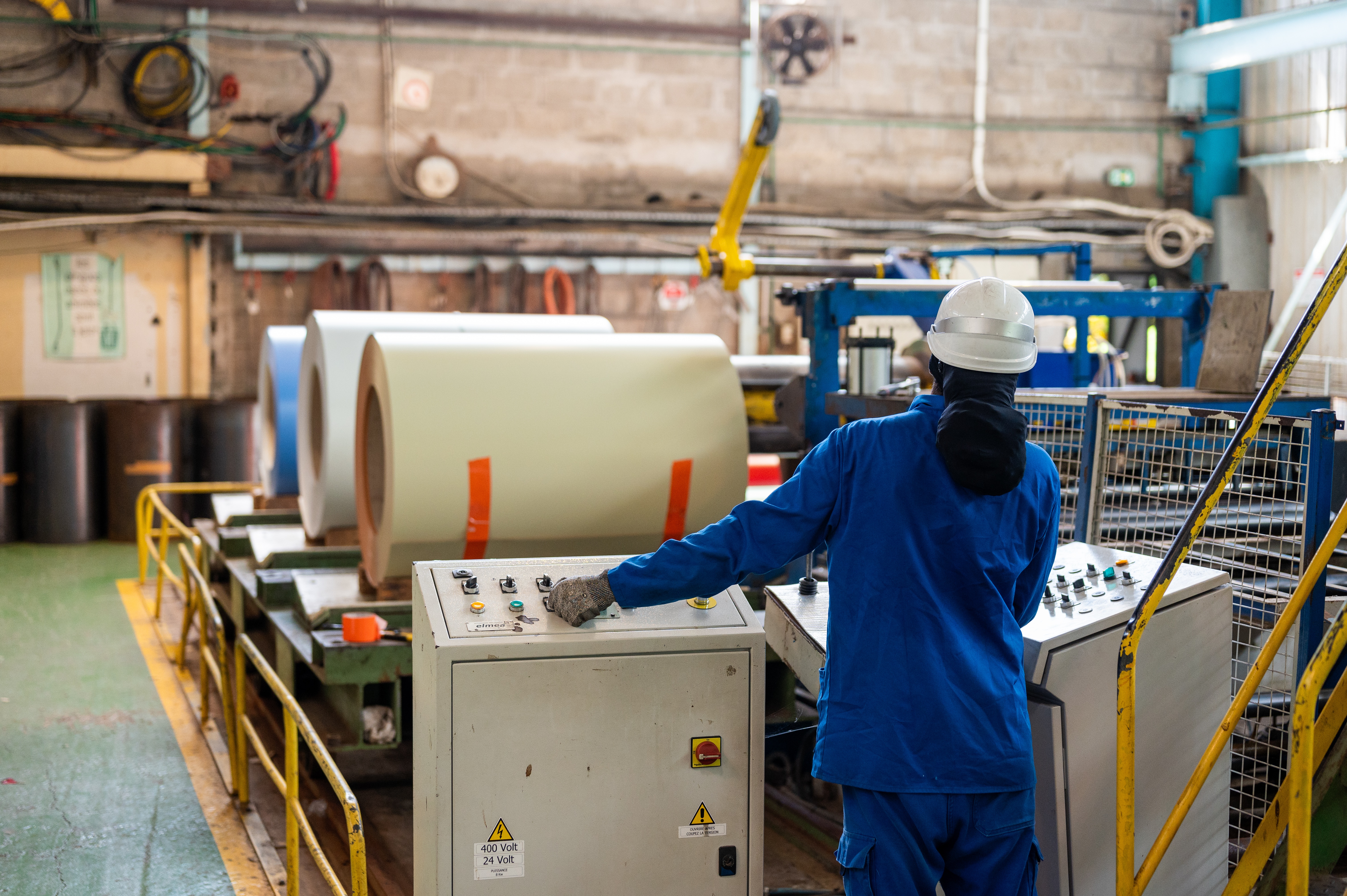
A training phase for new entrants was necessary, particularly through the publication of a “behavioral framework” covering a standard day. François GROS-DESORMEAUX visits each entity once a month (Guadeloupe, Martinique – where he is based – Guyana, and Reunion) for progress meetings with the technicians who work autonomously. He also interfaces with management and ensures the tool’s follow-up by verifying the proper documentation of interventions. Each technician has an office equipped with a PC but also uses the mobile version available on smartphones and tablets. “We aim to standardize the references entered in DimoMaint, in the stores. The operational implementation of the CMMS is an important step for the group, and the involvement of entity directors is crucial to ensure everything works,” he says.
An ambitious project for awareness and information sharing
The CMMS contains the entire asset hierarchy by site. Currently, teams primarily perform corrective maintenance operations. The goal is to move towards 70 to 80% preventive maintenance. The gradual adoption following training provided at the end of November 2024 was followed by communication aimed at demonstrating that the tool is a great help in daily decision-making, notably thanks to the history of failures. “It’s a fantastic tool that allows managing, through alerts, the renewal of spare parts, stock management, as we currently manage a store per site.”
Initially, the implementation of the CMMS led to information sharing about breakdowns, allowing one entity to assist another more quickly. Currently, François GROS-DESORMEAUX is observing the proper adoption of DimoMaint MX but has great ambitions for the tool.
A comprehensive view of maintenance activity
Through DimoMaint MX, the maintenance manager has access to all work order reports from each entity. He views the closed work orders of each technician and can track the progress of each intervention. Technicians are autonomous in closing a work request and scheduling their interventions. They primarily use mobility for “live” inventories via smartphones or tablets. “Ultimately, our intention is to reduce maintenance costs. In the medium term, I also plan to develop reporting features to communicate proactively with management. This requires the correct use of the tool, which needs to be filled out as precisely and comprehensively as possible.”
Multiple expected benefits for the CMMS
Maintenance is setting up operational ranges to develop preventive maintenance and relies on its best practices to:
- Pool spare parts
- Track suppliers
- Manage spare parts restocking precisely
- Benefit from a simplified inventory (QR code)
- Closely monitor technicians’ interventions
- Improve asset lifespan and availability
Ultimately, the DimoMaint MX CMMS should enable maintenance cost optimization and act as a real decision-making tool to support the Group Maintenance policy, promote parts centralization, and generalize best practices by the end of 2025.
KPIs to homogenize activity
The set of indicators in place covers the following points:
- Analysis of the number of work orders entered and team involvement with management
- Number of machine downtimes
- Average downtime
- MTBF
- Average intervention time
- Preventive maintenance completion rate
- Total maintenance cost and budget tracking
- Total downtime duration
The CMMS in 2025 and beyond

“We are setting up two centralized stores to group identical parts from several entities respectively in the Caribbean and Indian Ocean zones to pool costs,” explains François GROS-DESORMEAUX. Subsequently, the group plans to expand the functional scope used, notably by developing preventive maintenance and operational ranges. The complete documentation of work orders by technicians will drastically reduce breakdowns. “It is in this perspective that the CMMS is expected to become central to the maintenance activity of the 12 entities,” he concludes.

