
Sommaire
In today’s environment, facility and maintenance managers must manage increasing volumes of data, documents, and operational processes while ensuring performance, compliance, and cost control.
Manual workflows, fragmented systems, and lack of visibility often lead to inefficiencies, higher risks, and unnecessary expenses.
Implementing a CAFM (Computer-Aided Facility Management) solution allows organisations to centralise their information, automate their processes, and optimise maintenance operations.
11 key ways a CAFM system helps you save time and reduce costs.
-
Centralised and Efficient Work Order Management
A CAFM system streamlines the entire lifecycle of work orders:
- creation
- assignment
- tracking
- completion
This reduces administrative workload, improves responsiveness, and ensures better traceability of maintenance activities.
-
Proactive Preventive Maintenance
Preventive maintenance is essential to reduce breakdowns and extend asset lifespan.
With a CAFM solution:
- maintenance schedules are automated
- compliance tasks are tracked in real time
- interventions are planned efficiently
This reduces downtime, avoids costly repairs, and ensures regulatory compliance.
-
Real-Time Asset Management
Tracking assets manually is inefficient and risky.
A CAFM system provides:
- centralised asset data
- maintenance history
- cost tracking
This enables better decisions regarding repair, replacement, and lifecycle optimisation.
-
Optimised Inventory Management
Poor inventory management leads to unnecessary costs and operational delays.
With CAFM:
- stock levels are monitored in real time
- alerts prevent shortages or overstocking
- procurement is optimised
This improves resource management and reduces waste.
-
Automated Communication and Notifications
Communication between stakeholders is often time-consuming.
A CAFM system automates:
- request updates
- contractor notifications
- internal alerts
This ensures better coordination and reduces time spent on manual follow-ups.
-
Data-Driven Decision-Making
A CAFM solution centralises and analyses operational data.
This enables:
- KPI tracking
- performance monitoring
- trend analysis
With reliable data, organisations can optimise processes, control costs, and improve decision-making.
-
Empowering Mobile Teams
Field teams need instant access to information.
With mobile CAFM:
- technicians access work orders on-site
- updates are made in real time
- communication is improved
This reduces administrative tasks and improves productivity.
-
Simplified Contractor Management
Managing external providers can be complex.
A CAFM system allows you to:
- centralise contractor information
- track performance and interventions
- automate workflows
This improves service quality while reducing administrative workload.
-
Energy Management and Cost Reduction
Energy consumption is a major cost driver.
CAFM systems help:
- monitor energy usage
- identify inefficiencies
- implement optimisation strategies
This reduces costs while supporting sustainability goals.
-
Compliance and Risk Management
Regulatory compliance requires rigorous monitoring.
With CAFM:
- compliance tasks are automated
- deadlines are tracked
- documentation is centralised
This reduces risks and ensures your organisation meets regulatory requirements.
-
Financial Visibility and Budget Control
Controlling maintenance budgets requires accurate data.
A CAFM system enables:
- cost tracking
- budget monitoring
- variance analysis
This ensures better financial control and avoids unexpected expenses.
A Strategic Investment for Facility Management
A CAFM system is not just a tool—it is a strategic solution for :
- centralise documents and data
- automate processes
- improve operational efficiency
- reduce maintenance costs
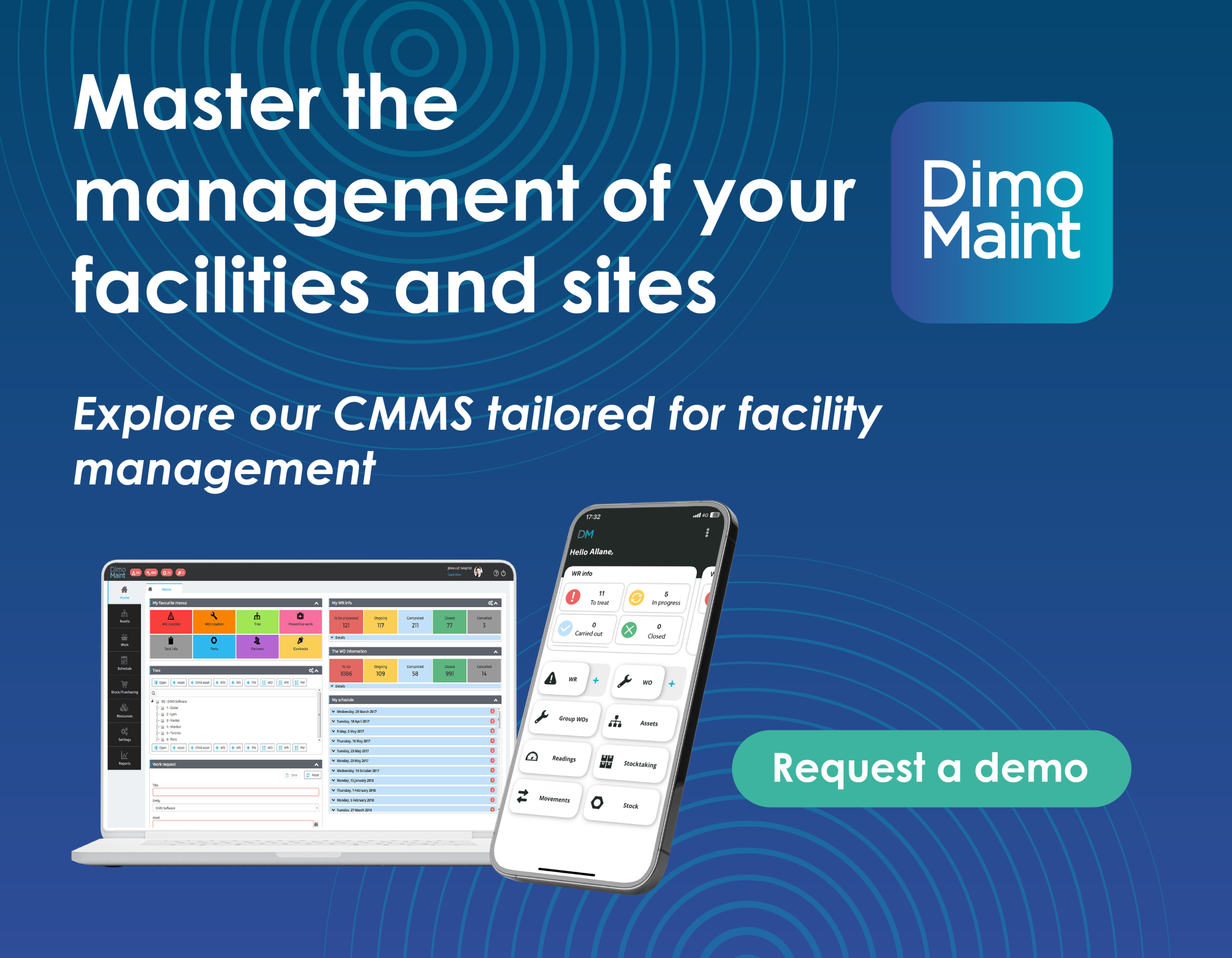
A solution like DimoMaint FM enables organisations to structure their maintenance and facility management while maximising performance.
FAQ: CAFM Benefits and Cost Optimisation
How does a CAFM system save time?
A CAFM system automates workflows, centralises information, and reduces manual tasks, allowing teams to focus on higher-value activities.
How does CAFM reduce maintenance costs?
By enabling preventive maintenance, improving resource allocation, and providing data insights, CAFM systems reduce breakdowns and optimise spending.
Why is data important in facility management?
Data allows organisations to monitor performance, identify inefficiencies, and make informed decisions to improve operations and reduce costs.