
In today’s data-driven environment, efficient maintenance management is essential to ensure operational performance, regulatory compliance, and cost control. Yet many organisations still rely on fragmented processes, manual data handling, and disconnected tools.
Adopting a CAFM (Computer-Aided Facility Management) system enables organisations to centralise information, streamline workflows, and improve the reliability of assets while ensuring better data security and traceability.
Nine clear signs that it’s time to modernise your maintenance operations with a CAFM solution.
1. You still rely on spreadsheets or paper-based processes
Managing maintenance activities through spreadsheets or paper documents increases the risk of errors, data loss, and inefficiencies.
A CAFM system allows you to centralise all documents, data, and operational information in a secure and structured environment, accessible to all stakeholders in real time.
2. You lack real-time visibility on compliance
Ensuring compliance with regulations and standards requires accurate tracking of maintenance activities and documentation.
Without the right tools, it becomes difficult to monitor compliance status or anticipate potential risks.
A CAFM solution provides:
- real-time dashboards
- automated reporting
- secure tracking of compliance-related data
3. You spend too much time coordinating teams and contractors
Maintaining communication between internal teams and external contractors can be time-consuming without proper tools.
A CAFM system automates:
- notifications and updates
- task tracking
- contractor follow-ups
This leads to more efficient information management and reduced response times.
4. Accessing critical information in the field is difficult
If your teams cannot quickly access key information while on-site, productivity suffers.
With a mobile-enabled CAFM solution:
- data is accessible anytime, anywhere
- technical documents are instantly available
- work orders can be created and updated in real time
5. Inspections and audits are still paper-based
Paper-based inspections and safety audits increase administrative workload and the risk of data errors.
A CAFM system enables you to:
- digitise inspection forms
- centralise documentation
- improve data security and traceability
Simplify audits and document management with DimoMaint FM’s integrated digital tools.
6. Reporting takes too long to produce
Without structured tools, analysing maintenance data becomes complex and time-consuming.
A CAFM solution provides:
- real-time dashboards
- automated reporting
- advanced data analysis capabilities
This enables faster, more informed decision-making.
7. You lack visibility on asset-related costs
Without a centralised system, tracking maintenance costs and asset performance is challenging.
A CAFM system allows you to:
- monitor asset history
- analyse maintenance costs
- optimise lifecycle management
8. Your maintenance strategy is mainly reactive
Reactive maintenance leads to higher costs and increased downtime.
A CAFM solution supports:
- preventive maintenance planning
- predictive maintenance strategies
- better risk management
9. Technician productivity is limited
Without digital tools, technicians spend too much time on administrative tasks instead of focusing on core activities.
With a CAFM system:
- workflows are automated
- information is instantly accessible
- teams operate more efficiently
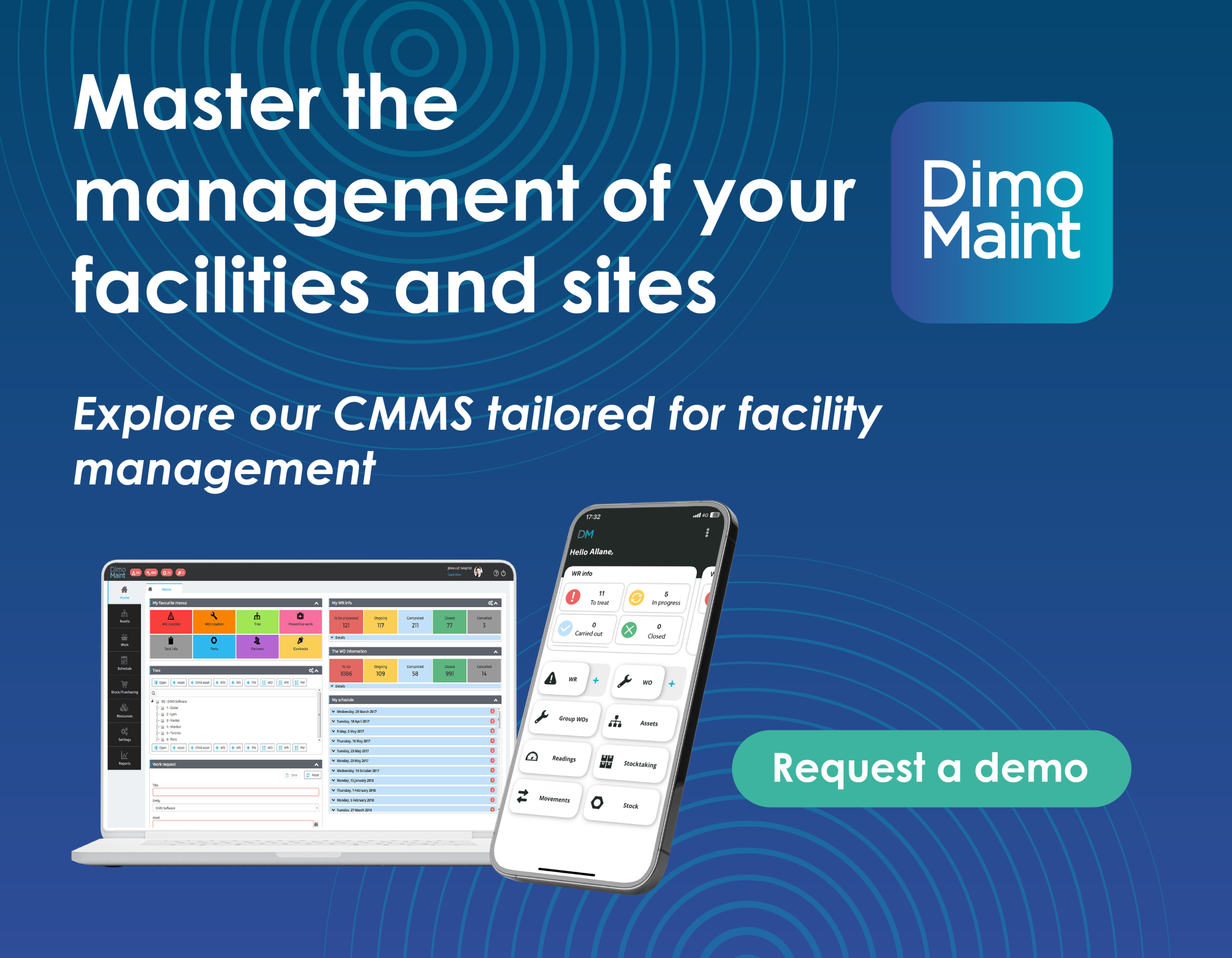
CAFM as a strategic enabler for maintenance performance
These warning signs clearly indicate the need to digitise maintenance operations. A CAFM system is not just a tool—it is a strategic solution that enhances operational efficiency, data management, and long-term asset performance.
With DimoMaint FM, you can:
- centralise your data and documentation
- improve information security
- streamline maintenance processes
- boost team productivity