

Sommaire
Selecting the right maintenance provider or contractor is a strategic decision that directly impacts operational performance, cost control, and service quality.
To make objective and data-driven decisions, facility and maintenance managers must rely on Key Performance Indicators (KPIs). These metrics provide clear visibility into contractor performance, helping organisations compare providers effectively and optimise their maintenance strategy.
A CAFM solution enables the automated tracking and analysis of these KPIs, ensuring reliable and actionable insights.
7 essential KPIs to evaluate and compare maintenance providers and contractors.
-
First-Time Fix Rate
Why it matters:
This KPI measures the percentage of issues resolved during the first intervention. A high first-time fix rate indicates strong technical expertise and efficient resource allocation.
Benefits:
- reduced downtime
- lower operational costs
- improved service quality
How to calculate:
(Number of issues resolved on first visit ÷ Total number of interventions) × 100
-
On-Time Attendance Rate
Why it matters:
Punctuality is critical for maintaining operational continuity. This KPI evaluates whether contractors arrive on-site as scheduled.
Benefits:
- improved planning reliability
- reduced operational disruptions
How to calculate:
(Number of on-time arrivals ÷ Total number of scheduled visits) × 100
-
On-Time Completion Rate
Why it matters:
Meeting deadlines is essential for maintaining service levels and avoiding operational delays.
Benefits:
- improved workflow continuity
- better coordination between teams
How to calculate:
(Number of tasks completed on time ÷ Total number of tasks) × 100
-
Completed vs Outstanding Work Ratio
Why it matters:
This KPI highlights the contractor’s ability to manage workload efficiently.
Benefits:
- visibility on backlog levels
- identification of resource constraints or inefficiencies
How to calculate:
(Number of completed tasks ÷ Total number of tasks) × 100
-
Average Reactive Maintenance Cost
Why it matters:
Reactive maintenance can significantly impact budgets. This KPI helps evaluate cost efficiency per contractor.
Key insight:
Lower cost is not always better—quality and first-time fix performance must also be considered.
How to calculate:
Total reactive maintenance cost ÷ Number of reactive tasks
-
Average Planned Maintenance Cost (by Task Type)
Why it matters:
Planned maintenance should be optimised for cost and efficiency.
Best practice:
Compare costs within the same task categories to ensure relevance.
How to calculate:
Average cost per planned maintenance task type over a defined period
-
Customer Satisfaction Score (CSAT)
Why it matters:
End-user satisfaction reflects overall service quality.
Benefits:
- qualitative performance insight
- identification of service gaps
How to calculate:
Average rating collected after each intervention
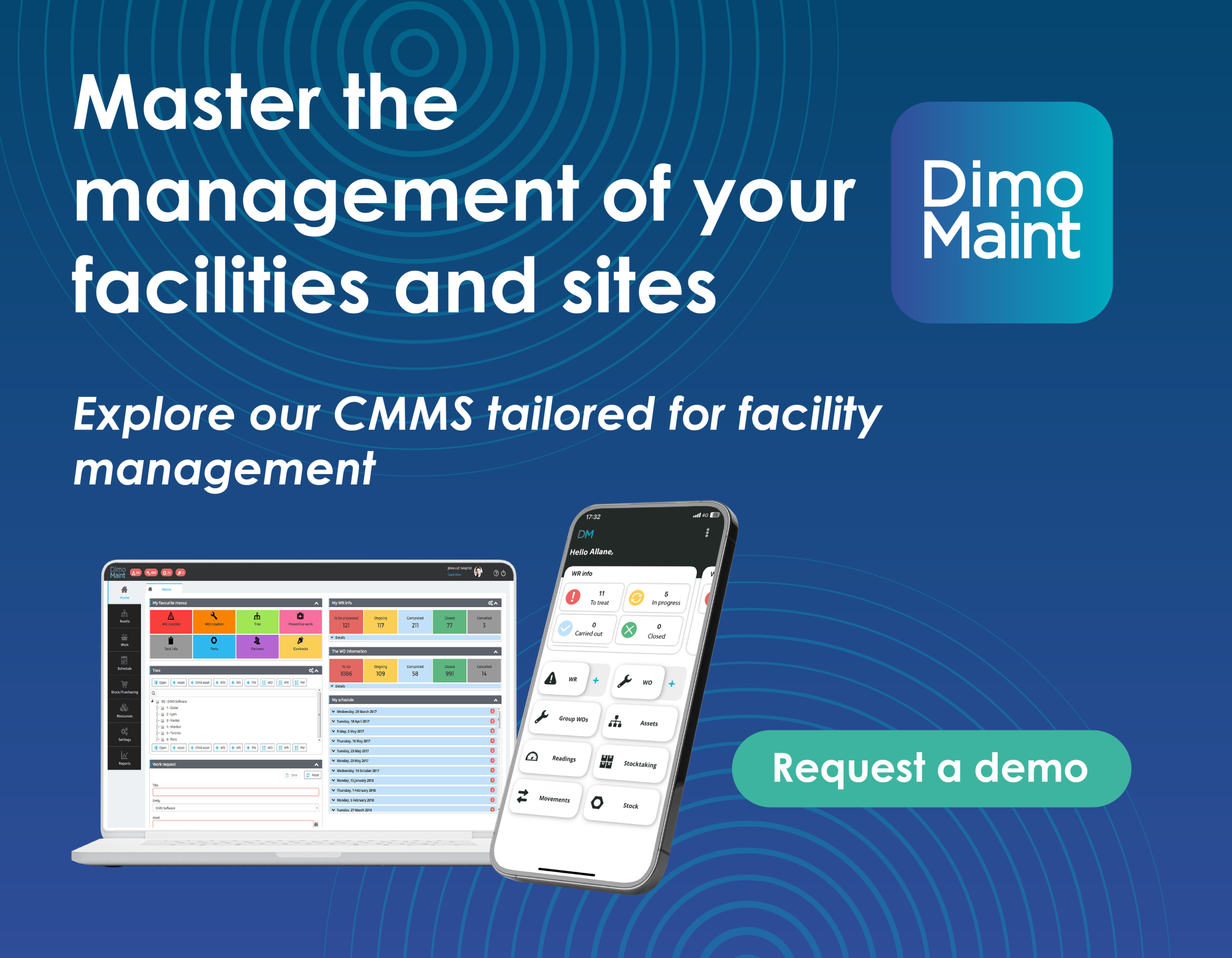
How CAFM Helps You Monitor Contractor Performance
Tracking these KPIs manually can be complex and time-consuming.
A CAFM solution enables you to:
- automate KPI tracking and reporting
- centralise contractor data and performance history
- generate dashboards for real-time monitoring
- compare providers objectively.
Make Data-Driven Decisions
KPIs are essential for objectively evaluating maintenance providers and ensuring consistent service quality.
By monitoring the right indicators, organisations can:
- improve contractor performance
- reduce costs
- optimise maintenance operations
- enhance service quality
A structured, data-driven approach—supported by a CAFM system—allows you to make informed decisions and maintain high operational standards.
FAQ: Maintenance KPIs and Contractor Evaluation
What are the most important KPIs for maintenance contractors?
Key KPIs include first-time fix rate, on-time attendance, completion rates, maintenance costs, and customer satisfaction.
How can facility managers track contractor performance?
Using a CAFM system allows automated tracking, reporting, and analysis of contractor performance metrics.
Why is first-time fix rate important?
It reduces downtime, limits repeat interventions, and improves cost efficiency.
How does CAFM improve contractor management?
CAFM centralises data, automates reporting, and provides real-time visibility into performance, enabling better decision-making.
What is the difference between CAFM and CMMS (GMAO)?
CAFM manages overall facility operations, while CMMS focuses on maintenance activities. Combining both provides a complete performance management system.