Sommaire
 Both RCM and
 Tangible benefits and strategic impacts of RCM
Operational performance optimization
RCM significantly reduces unplanned downtime through rigorous analysis and targeted maintenance plans. By focusing efforts on critical assets, it maximizes availability while cutting costs:
- Savings on unnecessary interventions: Human and material resources are allocated more efficiently, avoiding costs associated with irrelevant actions.
- Extended equipment lifespan: Targeted maintenance slows asset aging, reducing the need for premature replacement.
Enhanced safety and increased compliance
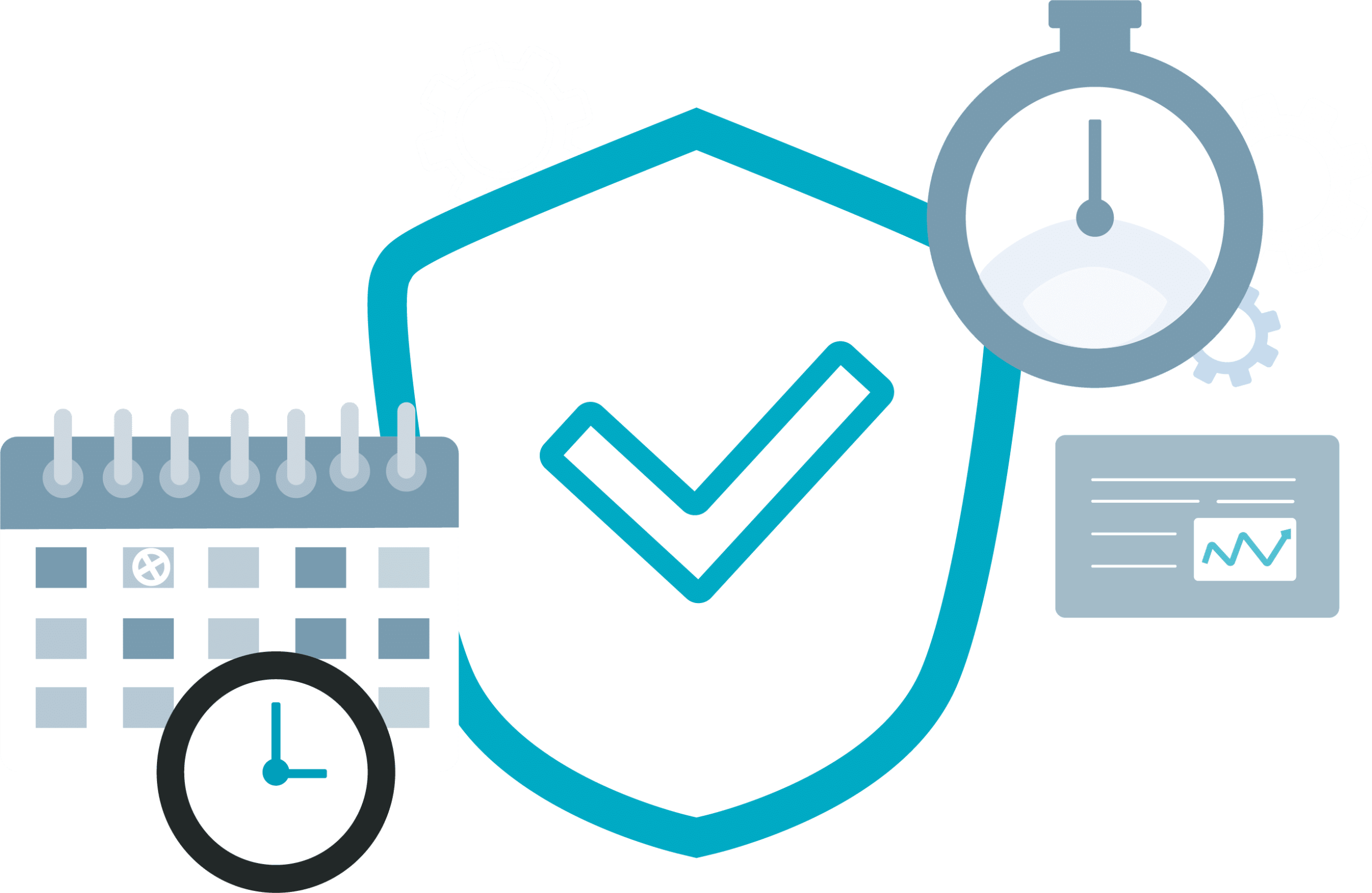
By identifying and mitigating risks associated with critical failures, RCM helps secure work environments while ensuring strict regulatory compliance. This is particularly relevant in sectors subject to stringent standards, where any non-compliance can lead to penalties or costly disruptions.
A strategic lever for competitiveness
Beyond operational benefits, RCM plays a key role in positioning companies in their markets. Proactive equipment management, combined with optimal utilization, supports growth ambitions and innovation, while boosting the confidence of partners and clients.
Technological evolutions and outlooks
Integration of advanced technologies
The advent of digital technologies is revolutionizing RCM. The Internet of Things (IoT), combined with artificial intelligence (AI), allows for real-time monitoring of equipment performance and unparalleled precision in anticipating failures. Computerized Maintenance Management Systems (CMMS) utilize this data to optimize the planning and execution of interventions.
Furthermore, digital twins represent a significant advancement. These virtual replicas of equipment enable the simulation of various maintenance scenarios and the assessment of their impacts before implementation.
Training and change management
Adopting RCM requires upskilling teams. Training in modern tools, such as predictive analysis software, is essential to ensure the success of this approach. Moreover, well-managed change processes help overcome internal resistance and mobilize teams around expected benefits.
A methodology at the heart of sustainable performance
Reliability-Centered Maintenance (RCM) has become an indispensable pillar for industries aiming to combine performance, safety, and competitiveness. By intelligently integrating it with approaches like TPM and leveraging emerging technologies, companies can develop decidedly modern maintenance strategies suited to the challenges of tomorrow. Thus, RCM transcends its initial function to become a major strategic lever, ensuring the reliability and longevity of industrial systems in an ever-evolving world.